Life is More than Measured Spoonfuls

Well, I hope it is. Life is more than T.S. Eliot’s measured coffee spoons. I mean a lot of what goes on around us and within us cannot be grasped and captured so easily. And actually most of the time, I believe, life consists of brimming tablespoons of enjoyment. It’s only some days one has to scrape up the small bits and pieces, and slowly and painfully fill those tiny, almost obsolete, teaspoons.
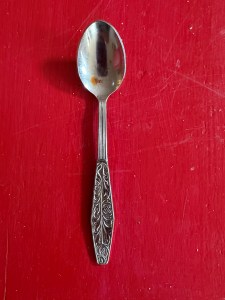
From my mothers collection of silver teaspoons

I’ve just been deleting the hundreds, thousands, of photos on my computer, spanning almost 20 years. Also sorting through my parents’ photos that have had several siftings already before being returned to a pile to languish for a few more years. I haven’t learnt to be ruthless in my culling. I mean 10 photos of one child on one occasion, taken by different people at various angles.

What do I want to recall? What does the photo say? How relevant is it now? Where do I place it? Who will look at it?

Just some very common questions facing all of us who are trying to organise a jumble of photos. Indeed we face many of those questions whenever we reluctantly sort through and cull our accumulated possessions.

The thrust of this blog is the underlying big question:

What is this life about?

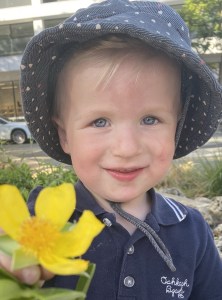
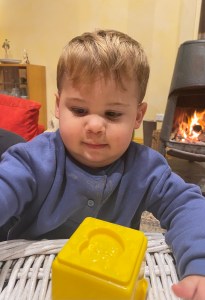
Besides photos of children, now of course fully grown, grandchildren and even one great grandchild, my life seems to have been one of celebrations, garden, spaces, and walking, eating and travel. Life as encapsulated in those photos seems short.

My parents lives seem equally brief, perhaps more celebrations and less travel. Fewer photos and they are more posed, but still the procession of birth and marriages and children and, generally, smiling at each other or into the camera
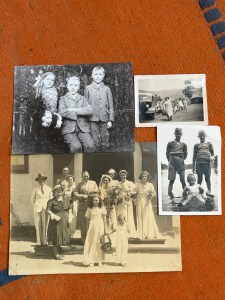
Assorted. Top left great uncles, bottom my aunts wedding, top right grandma in E.Africa giving instructions, bottom right my dad and his two brothers, my uncles.

Grandparents, aunts and uncles are fewer, more solemn, darker, presenting a solid front of certainty. There is no hint of the sometimes sad sometimes funny stories that lie behind that respectable facade.

Preparing to travel to the country closest to my heart, Spain, there was the usual pre travel sorting, culling, arranging, reviewing present life. Before stepping into a different one, a different version. Stepping full of hope, and some trepidation.

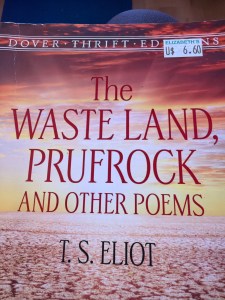
Elliot’s “I grow old, I grow old” reverberates alongside Marvell’s “Time’s winged chariot on my heels”. The challenge is now no longer to keep running or shake off that pesky biter. The deeper concern is where am I running, do I want to and, more realistically, can I run fast enough?
I can show up and see what happens. My life is my life and it’s been all that the photos show. But more, and less. No one knows the depth of the individual life. Only now, years later, do I look at photos and read accounts in journals and letters of my parents; their lives are thicker and more complex than I ever recognised. Maybe only the individual knows their own life. Even that knowledge is shaky.

(Refs

Andrew Marvell . To his Coy Mistress

At my back I always feel

Times winged chariot at my heels

T.S.Elliot .The Love Song of Alfred Prufrock.

.” I grow old I grow old

I shall wear the bottoms of my trousers rolld”
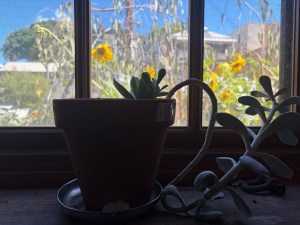
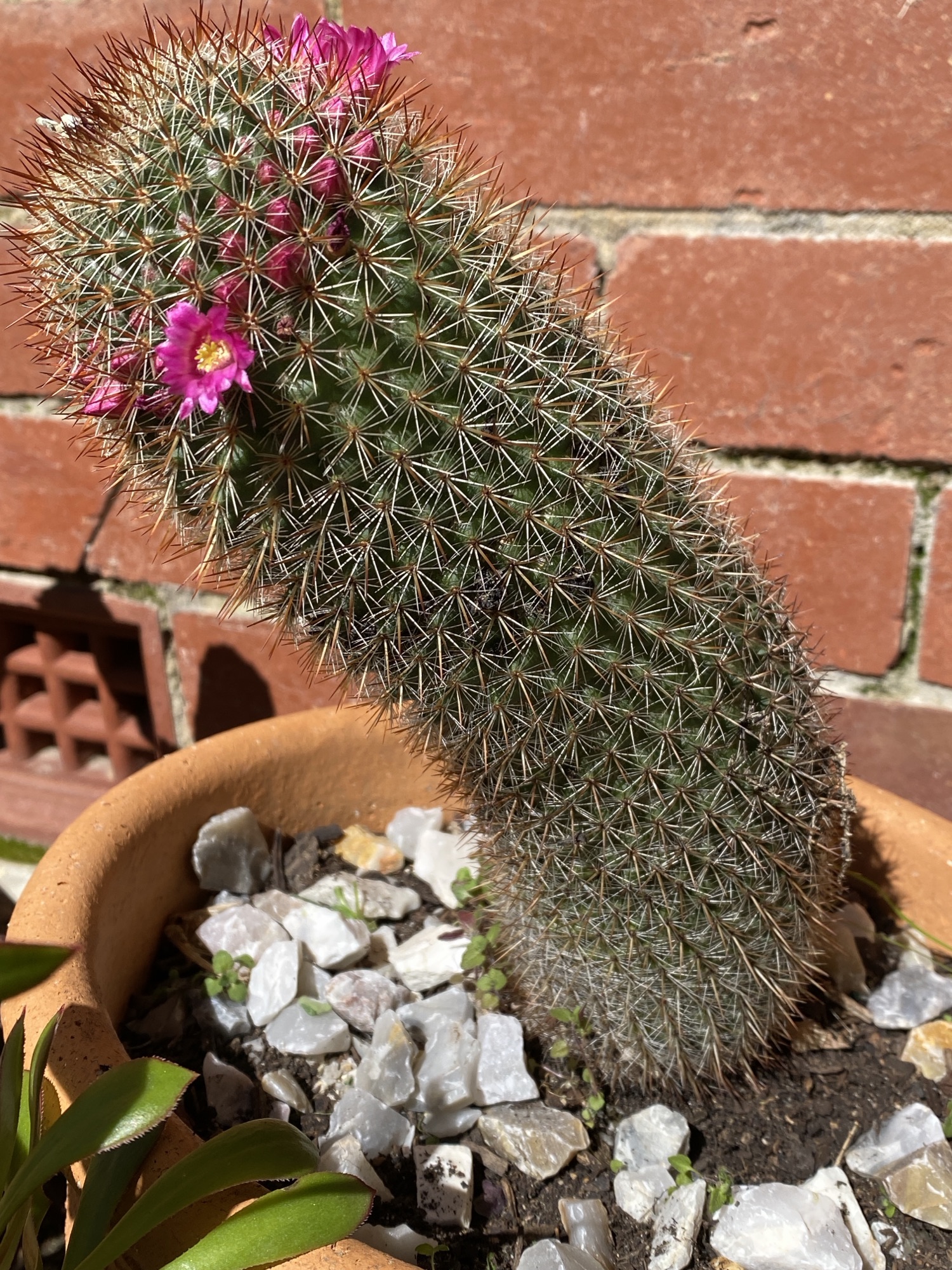
Just keep looking out through the glass and move as this funny twisted plant does towards the light

A Lesson from Cactus

So this is my first blog for 2026. A belated piece that has sat languishing in my draft box for over a month. The title is borrowed from Athol Fugard’s (South African playwright) A Lesson from Aloes. Ok, I’ve replaced aloes with cactus just because I have some splendid plants in my garden. (well I did, a few months ago). Aloes or cactus, both are survivors with a rare, short lived beauty.

“Aloes are distinguished above all else for their capacity for survival in the harshest of possible environments” (Fugard, Introduction to Aloes,)

Whilst I’m not claiming to live in circumstances challenging our very life, as did Fugard’s characters in the apartheid era, I am fascinated by the cactus’ sudden, glorious flowering after a long period of ugly, fierce and prickly inactivity. Cactus, like the succulent but less prickly aloe, only flower once in a while. The flowering is spectacular.

Well. There were more flowers on this last week

Actually, right now the garden is regenerating in the few days of cooler weather after the intense heat. Plants can bide their time, survive with very little water and attention, and recover when circumstances are right.

Not sure where I’m going with this. I think it’s about the presence of beauty and gentleness in the midst of turmoil and ugliness. Nature prevails. I’m thinking, as many of us do at year beginnings: well it’s a clean sweep. Let’s get on with living. Prickles out to get us still but we’ve seen the flower. There’s grace.

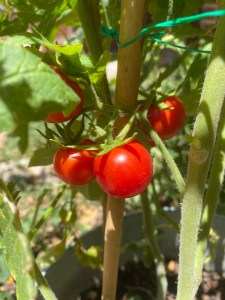
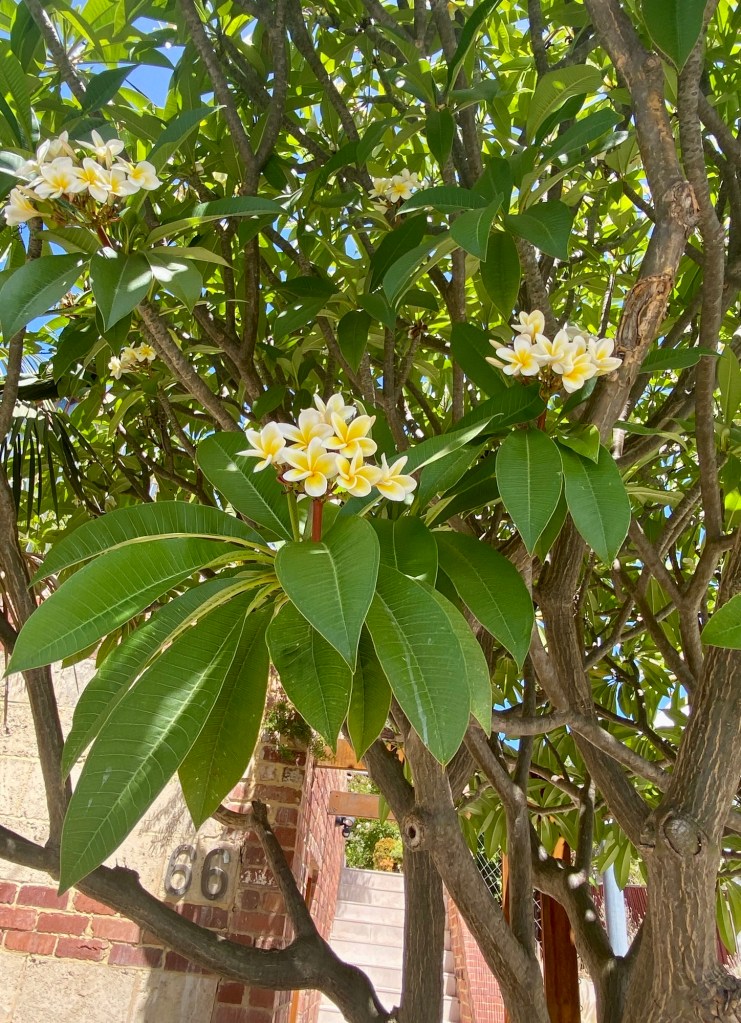
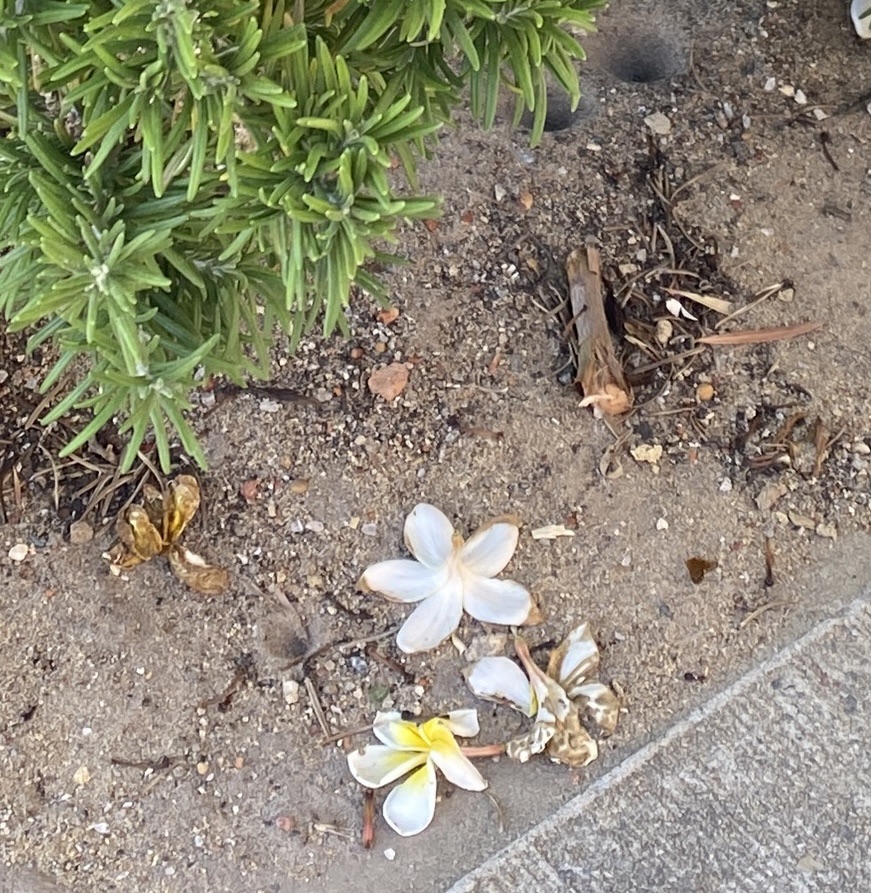
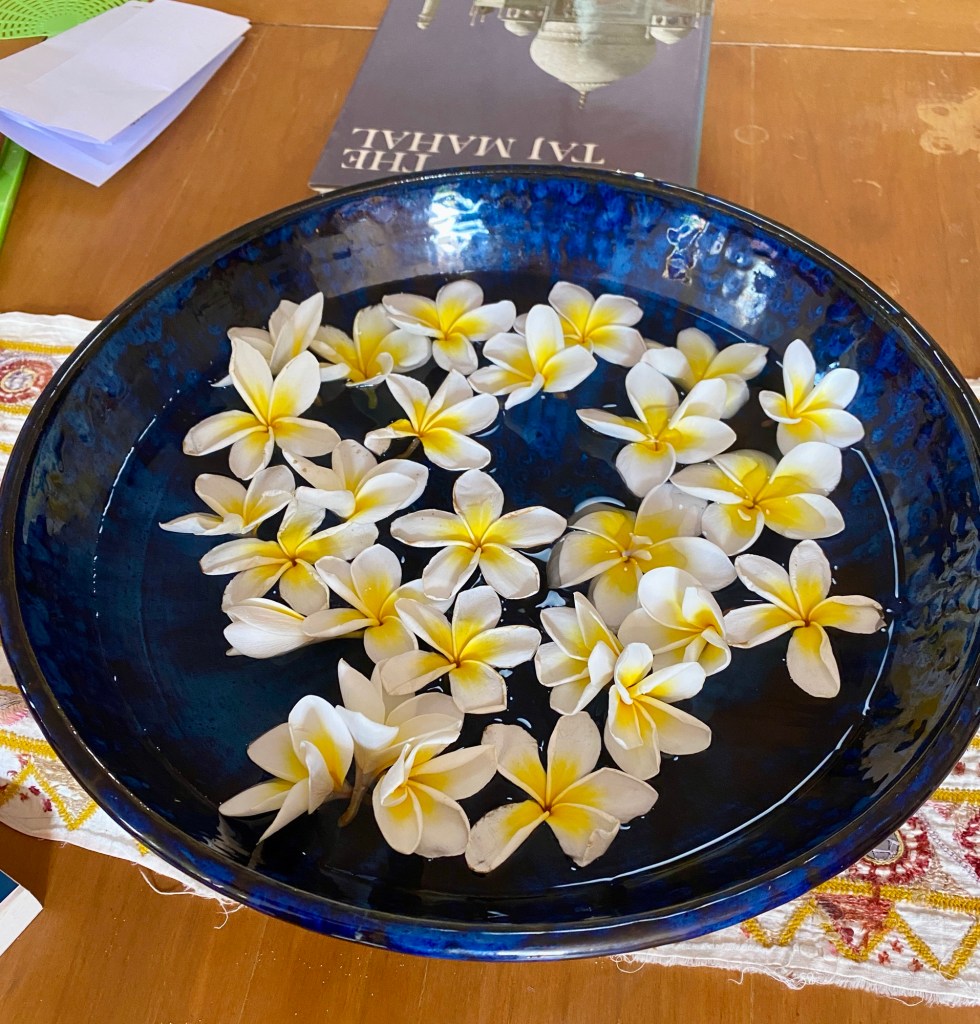
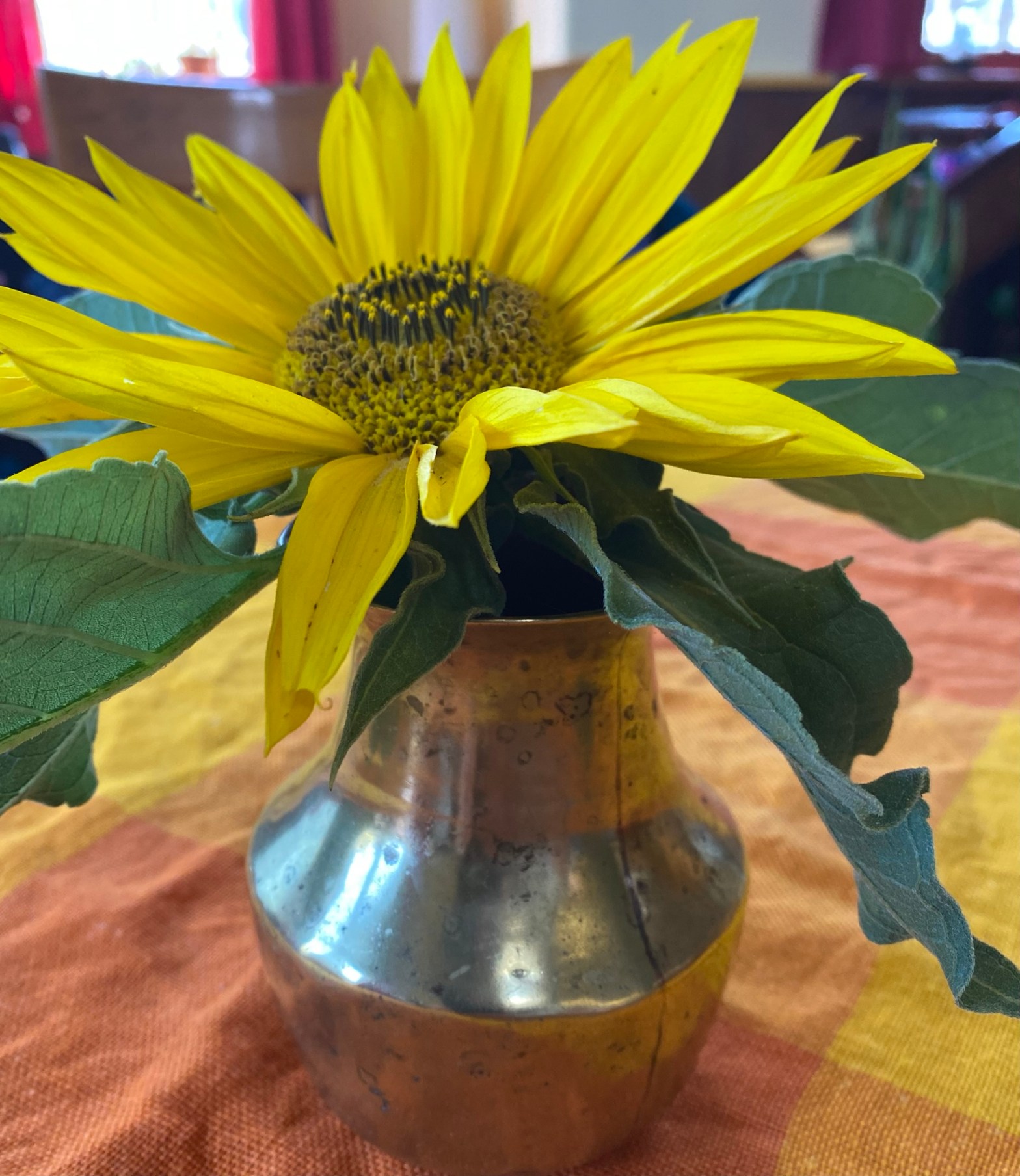
I would like to share a photo of successful tomato growing, even though there are only a few. And a favourite flower, frangipani, rescued from the ground and placed in the blue bowl. May light and colour stream into my house.

So blessings on all of us for 2026.

Continue reading “A Lesson from Cactus”

Birthdays and All That

My mother’s birthday was in July. Marie Therese Hanna ( née Tregarthen), and my oldest grandson, Jimmy Roe Thompson shared her birthday. So Happy Birthdays to the oldest and the younger.

I wrote this blog a while ago.

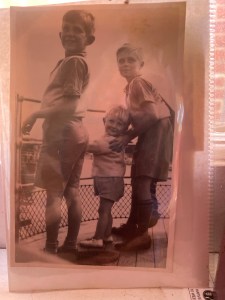
The morning of their birthdays I was looking for a photo in my studio and in amongst the piles of photos and documents waiting to be organised I found this photo of the 3 brothers: my dad and my two uncles.

Thoughts of age and time passing. More than that though, I looked at all three boys and glimpsed, albeit in hindsight, personalities and connections with those who followed them.

Left , the tallest ,uncle Michael, in the middle , uncle Bill and on right my dad , Arthur ( Buster)

My dad looks so much like my oldest son in this photo. Responsible, holding the youngest, looking out for his brother. Michael looks like life will always be fun and interesting, that even bad times will pass, Bill cheeky (very much like grandson Charlie).

Where were they ? Must have been on holiday somewhere.

Their lives are ahead. Mapped out ? Already on a path? Who knows. There was for all of them a war to come, separation as they were sent to different families, deaths of uncles, a move from Dulwich where they grew up to Bath and a house all together in the UK. Fun and school and then more war. More death : my dad ( Army and in Burma), Michael (Navy,) . Bill (Malaya).

Then a time of readjusting to peacetime and study, jobs,family. I could go on . But the point is that in this photo life stretches ahead and they are full of joy.

Is that “ time stretches ahead” a fabrication ? Because from this perspective it seems like life flashed along enveloping all three in the glow. Maybe they were never as close as this again ? Certainly their paths were different. Family stayed connected always but their paths were very different .

I think the point of thinking about this photo is to reflect that this instant captures their togetherness, their different personalities , and their happiness. And to wonder how much of the early personality influenced the rest of their life.

Also to think how fleeting our life is and how fast it can change. So my mother would be nearly a hundred now , my oldest grandson is 23 and still at the beginning part of his life

His son Jamarlee, my great grandson, is just starting out.

Me, I’m at the tail end. In real years the youngest may have far to go. But in an unconstructed time, we all are nearer to the tail end than we think.

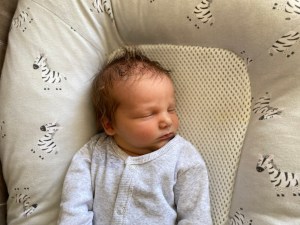
And while I was writing this my newest grandson was born.

Joe DiAngelo Cichinni

A friend sent me this quote in response to my announcement of his birth:

“…… trailing clouds of glory do we come…..

From Wordsworth‘s Ode to Immortality

May we keep our faces turned towards the sun.

Sola no Longer. Lessons from a Camino

This is for you John Brierley. It was your Guide book I clutched ( regardless then of the weight added to my pack) on my very first Camino adventure. 18 years ago. The Camino everyone knows , the Camino Frances. Since then I’ve walked other Spanish Caminos. And I’ve always remembered your central message about being vigilant, kind and thankful.

Each time I walk a Camino I contemplate Brierley’s beliefs and each time I’m back at home I try and hold onto them.

So now I’m back again, this time from a very short , broken up , Camino . I’m struggling once more, and I’m not alone in this. I’m starting to topple into familiar patterns of annoyance, mourning, and anxiety.

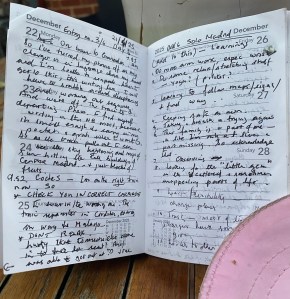
You see, I have a little list I write during each Camino.

My xxscrawled notes from Espana Sola

I’ll summarise as the list is always tedious and jumbled, a smorgasbord of repetition each return. There are resolutions about exercise, relaxing, spending time with friends, being kind, tackling the new and the difficult, and, always, writing .

About 3 weeks in the clarity fades. Maybe life takes over with all its demands, responsibilities, actual and self -imposed. I become reluctant to engage in conversation or go to new places, sleep in longer, start washing up and tidying instead of walking or writing. My energy and delight in life is being whittled away.

This started out to be a simple ‘resolutions/ life/ finding a way’ piece. However now I’ve started I’m into a bit of a meander. Around John Brierley, Caminos, and a very brief exploration of beliefs.

So if you’re not into meanderings, then go no further. Just skim read to the end.

J. B. believed we are all on a pilgrimage, a metaphorical Camino. You can read elsewhere how he went on his first camino pilgrimage, changed his life, began writing the Guides to the Spanish Caminos .His belief that we are all on a pilgrimage , a spiritual journey, is not new. What is new is his ability to merge this conviction with a very practical, concise guide to walking long distances along paths which have long histories of spirituality .

Pilgrims have followed the Francés since the 11C , the St James Way all the way to Santiago de Compostela. And while I’m at it , there are more than 11 Caminos in Spain, the term Camino refers to the various designated tracks that lead to the shrine of St James in Santiago de Compostela. The Francés is one of the oldest , most well known and most frequented.

J. B. Guides are practical , meticulously researched, contain directions for following the different routes, where to stay or eat, what to carry. but they are also filled with notes on what he called the “ inner” ( or mystical , spiritual, path) .

He said that we need to guard “ the hard won space which pilgrimage gives”. The busyness of our lives takes us away from its centre, Pilgrimage slows us down, opens us inwards, towards truth. I believe strongly in the power of the Camino to bring about a change in being **. The pilgrim is thrust into a strange country, amongst unknown people ,into a different culture with ,generally, an unfamiliar language.There are other ways of behaving . She has to let go of the familiar and there is a gap, not- knowingness and a space for new awareness. There is time to cement that new awareness and to work out how to bring that insight into the life one has. Because ultimately most people have to return to the life they live at home or recreate one. Even walking continuously needs a plan .

On the Camino Forum , a valuable resource for anyone who is planning to walk a Camino , there is some lamenting about a return to life as is. There is also gratitude expressed for an adventure and opportunity, and an intention to use that as a catalyst in the ordinariness of life, to walk both actually and metaphorically with interest and curiosity.

Curiosity is what lifts us out of the fairly routine existence of our ordinary lives. Even John Brierley’s focus on the Caminos and Guides must have required a routine of sorts.His curiosity kept that gap open for insight and allowed a little bit of grace to seep through ,

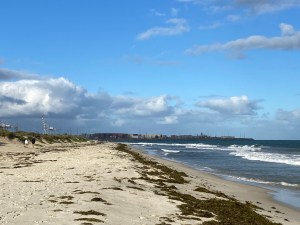
So this morning instead of stumbling out of bed to my coffee , I stumbled out of bed to the beach.

Good Morning

I overlooked the weed and the quite strong waves,and plunged in.

Frozen when I got out . But I do feel alive now.

** I know the argument that any walk , particularly a long one, offers the opportunity for contemplation. But the Caminos because of their long history of pilgrimage and spirituality have a special potential to link with the unexplored and inexplicable parts of our lives .

Espana Sola. Letter to Elaine

Querida Amiga

I am back home now with my family, so this is my last Espana Sola.We said goodbye in Avila, the city of Santa Teresa, so I’m writing this for you.

I have just visited the Convento de Santa Teresa, 10 minutes walk from where we stayed in Avila. We spoke often about Teresa, her life, her writing and her struggles with her own demons on the way to faith, The visit raised many of the things we talked about while we walked together.

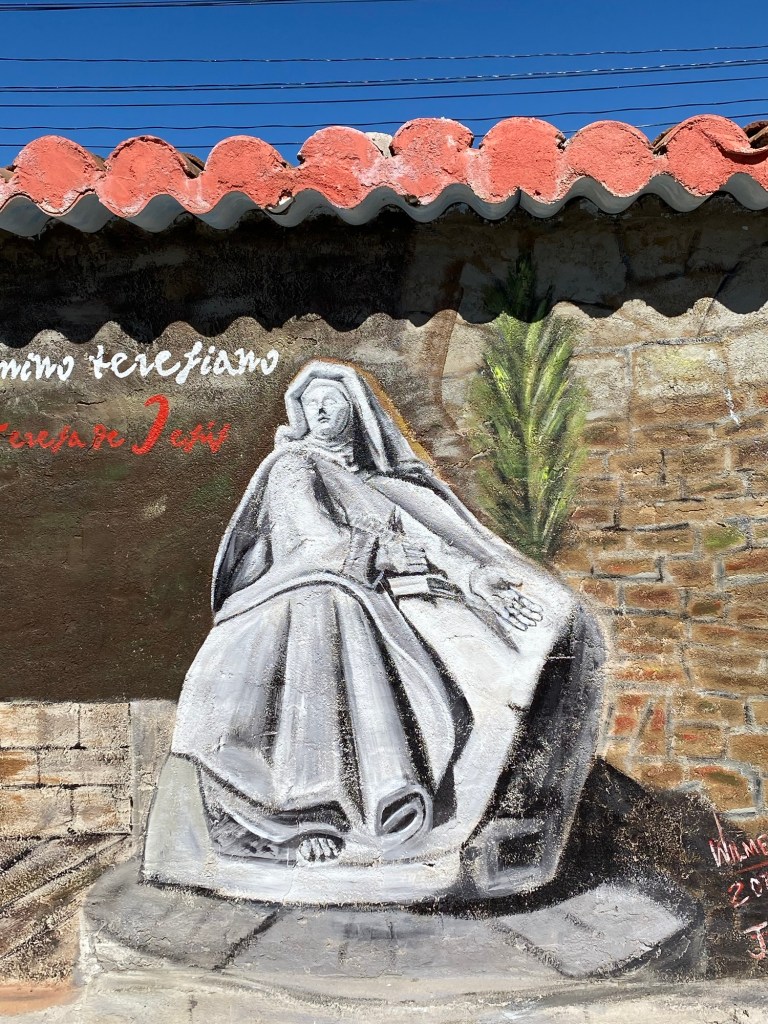
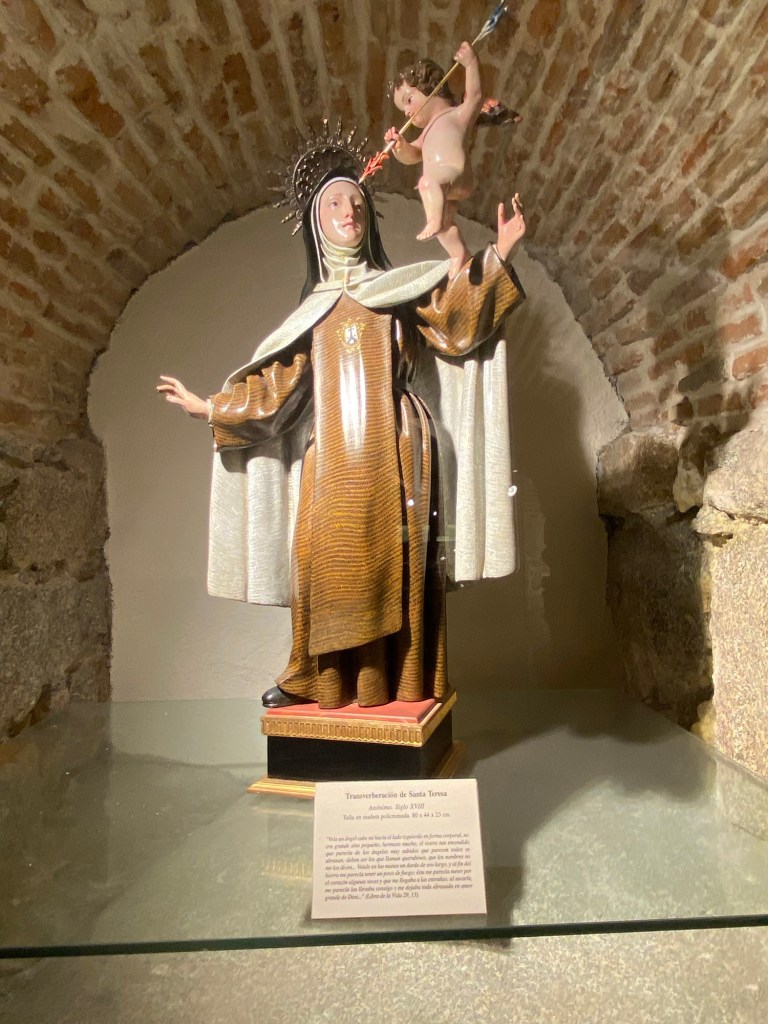
The Spanish word “ causas” conveys much more than “things”, and the Convento visit encapsulated a causa that has become increasingly persistent, with visits to Spanish churches and historical sites. This last week in Avila, Santa Teresa’s home encircled by its Medieval walls , one causa shouts out to me: where is the humour , the steadfastness, the uncertainty of the woman?Descriptions of the young Teresa mention her beauty and exuberant, extroverted personality. Where, also, in the recreation of parts of her life in the Cathedral and the museum, is the simplicity and directness ?

There is some simplicity. The restored Cathedral on the site of the family home has the original baptismal font where Teresa was christened in 1515 and a model of the sparsely furnished room she lived in while in her first Carmelite Convent. But 17C Church glitter and a somewhat one dimensional, stolid , safe Catholic narrative in the museum beneath threatens to overshadow the 16C persona of Teresa de Cepeda y Alumada. A makeover?

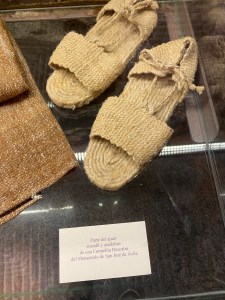
Teresa is celebrated for cutting through the excesses and strictures of the Catholic Convents of her day. She introduced the famous discalced ( sandled) feet covering: the practice of wearing sandals instead of shoes. Prominent 16C mystic and reformer , she founded San Jose Convent and the Discalced Carmelites. Copies of the rope sandals are displayed in the Convento museum.

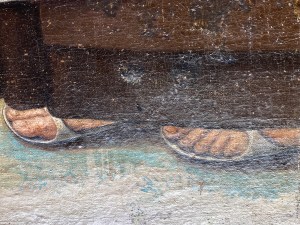
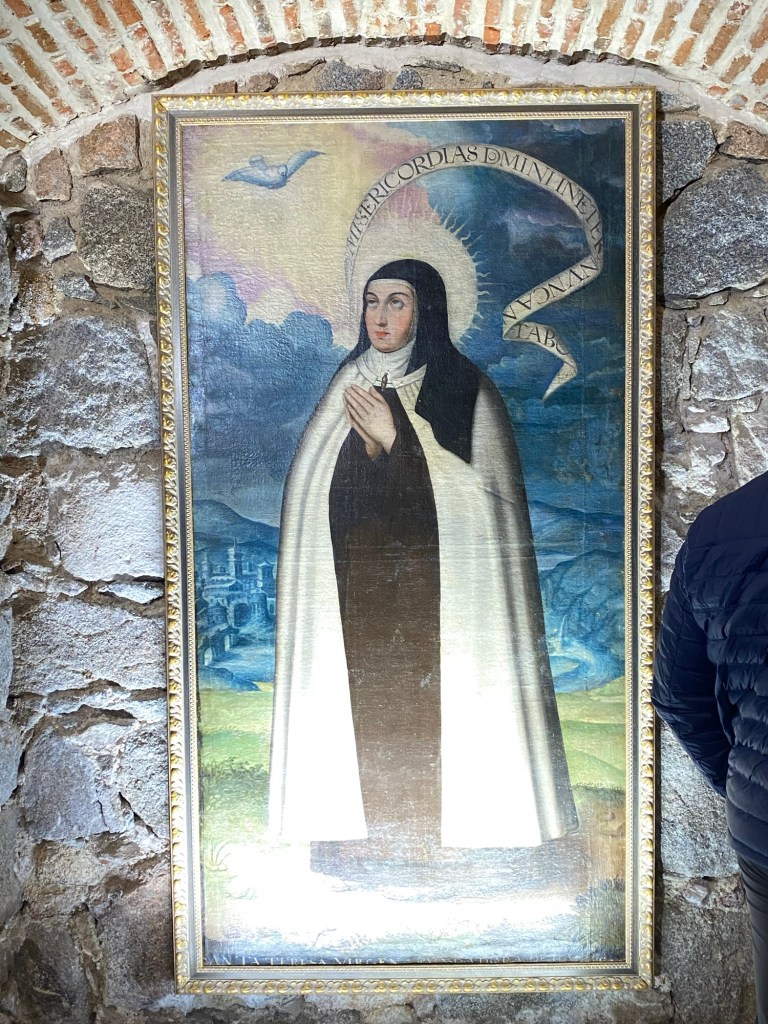
They also peep out from beneath her robes in some of the more interesting statues and paintings in the museum devoted to her life .

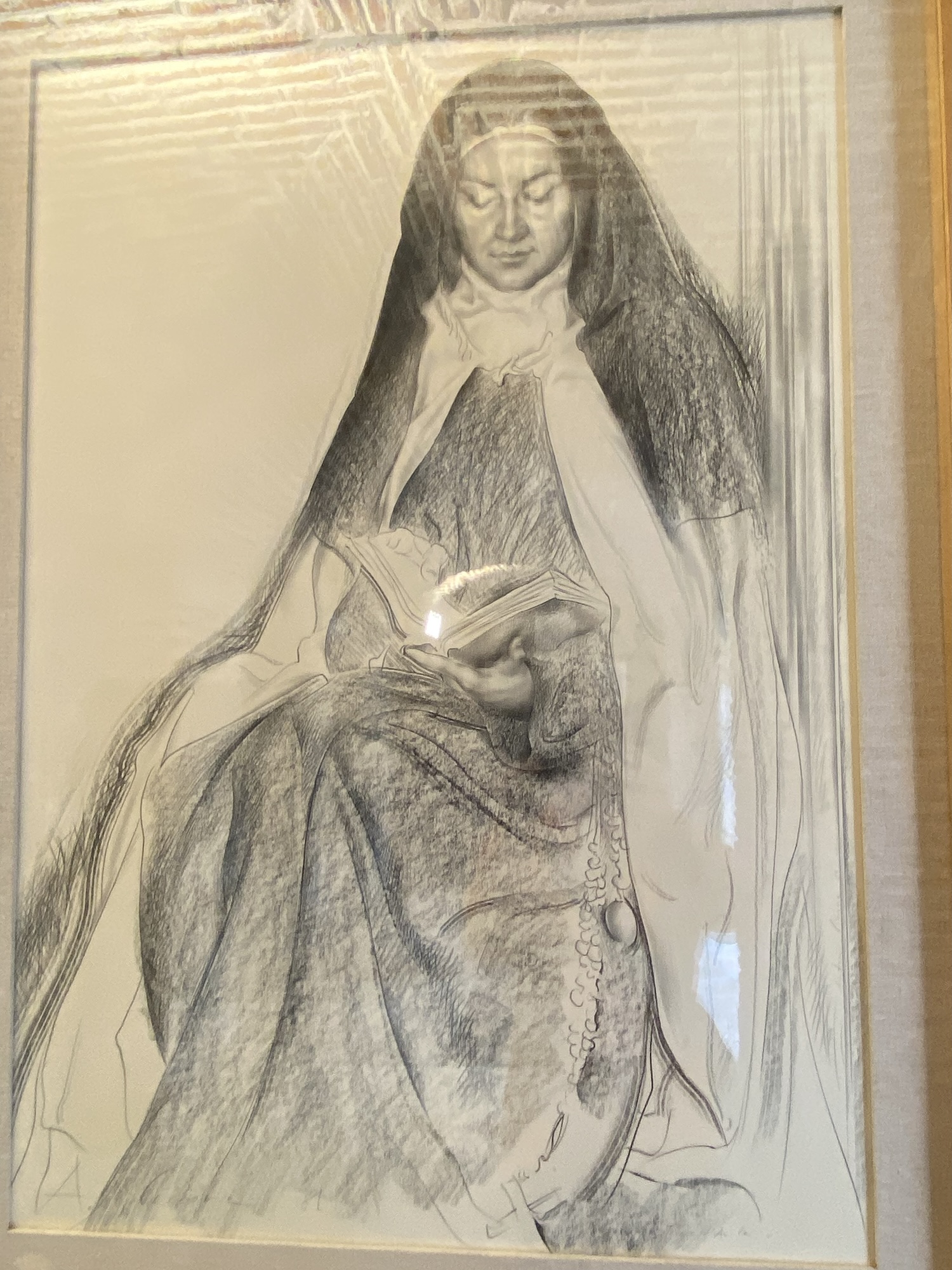
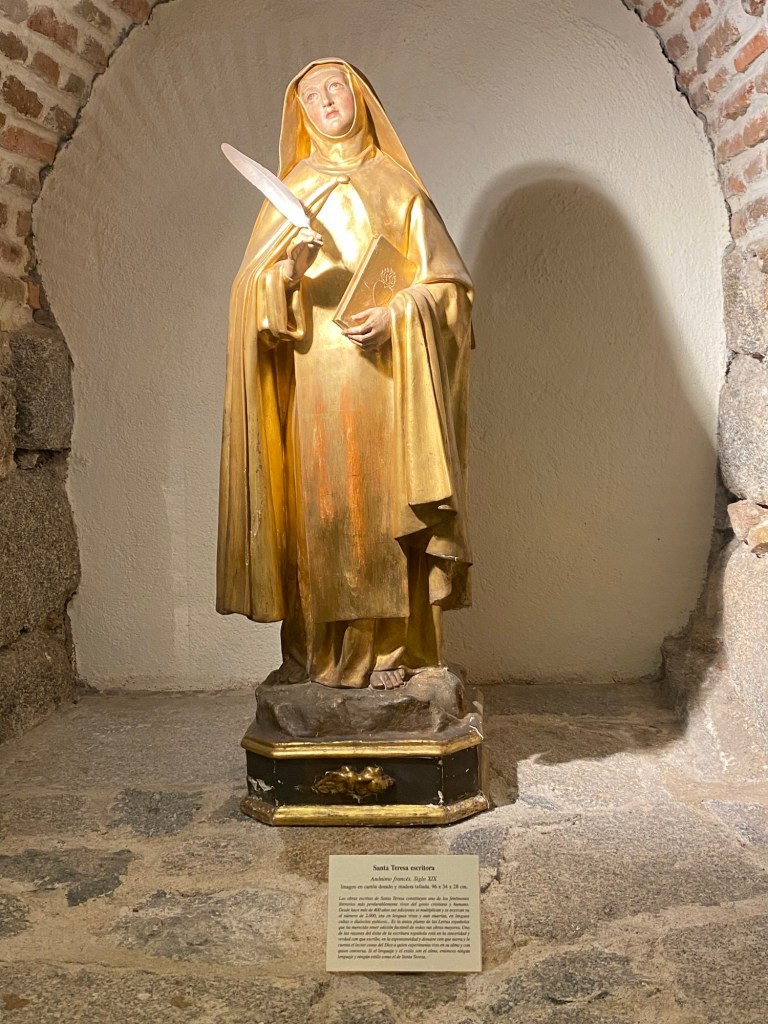
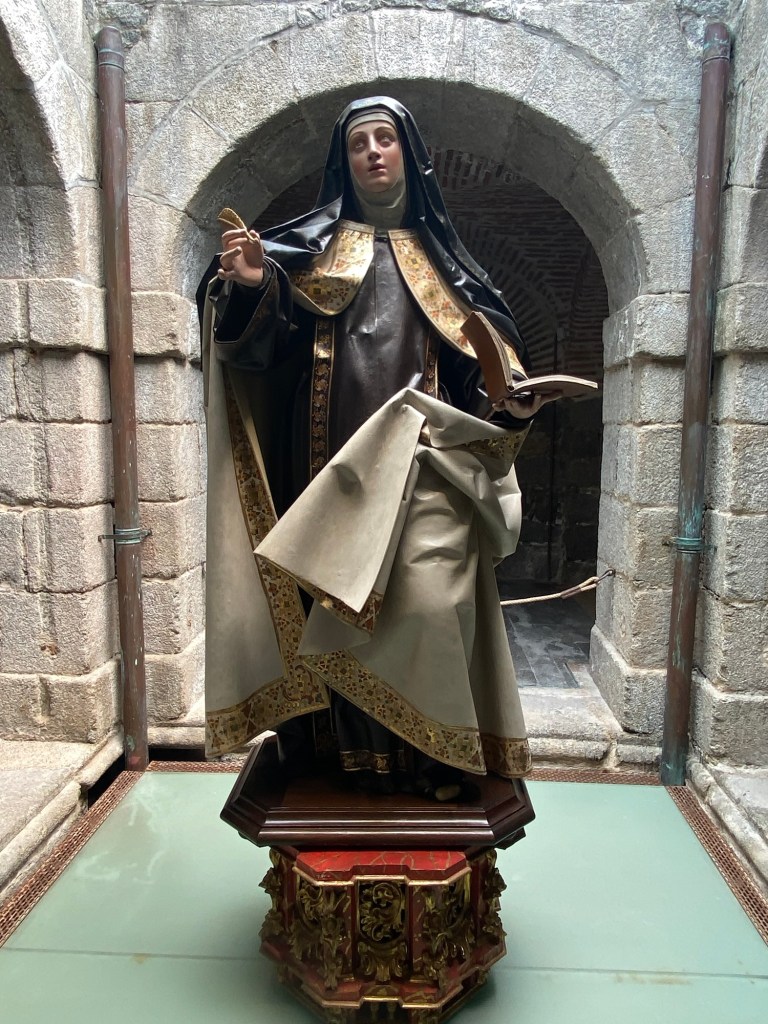
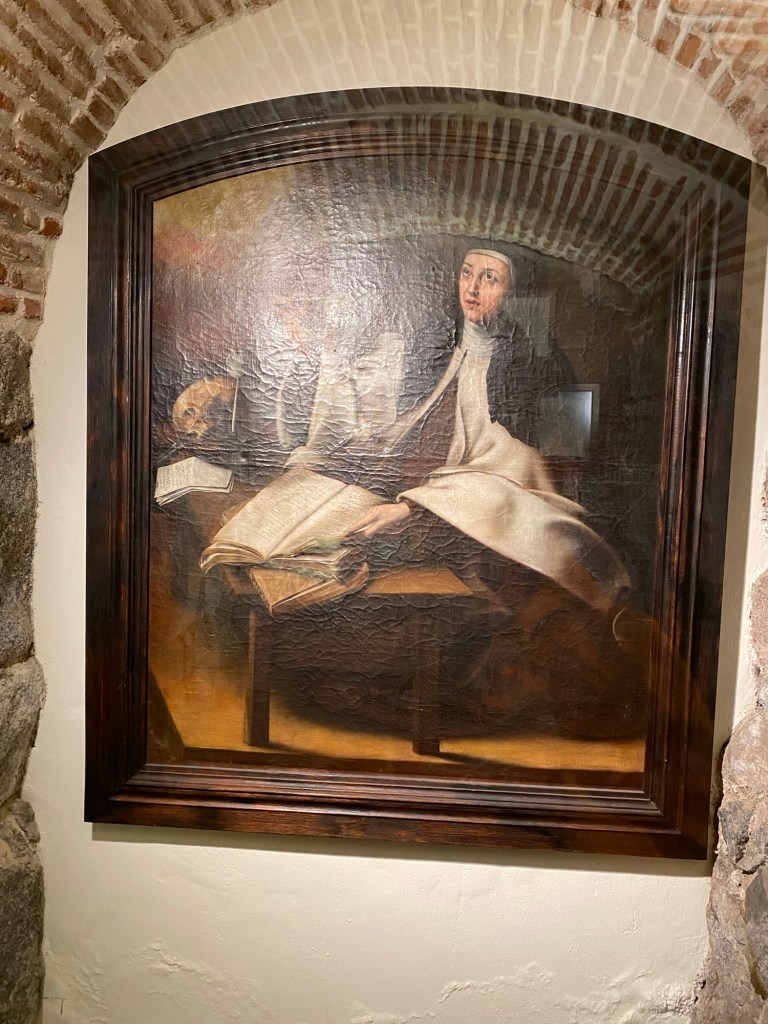
In the display of the last part of her life some of her intelligence and diligence is evident : there are paintings of the saint quill in hand and book on lap, absorbed in writing. These images were produced quite a while after her death.

The depictions of Teresa , Doctor of tbe Church, date from 17C. She is one of the few females whose thoughts and writings are recognised by the Church whose practices she persistently and bravely tried to change in the last 20 years of her life.

As a 15 yr old Teresa read a lot, and wrote in the 15C when most people ,especially women , were illiterate.

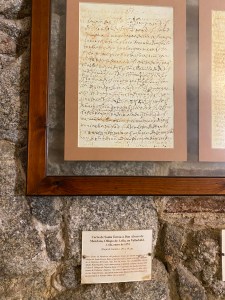
Written when she was nearly 60 to the Bishop of Avila province. Under his jurisdiction she founded her first Convent, San Jose.

Most of the museum focuses on her early life as a young girl,(and holy from the start , which she wasn’t), her saintliness, and her ecstasies.

Where is Teresa de Cepeda y Alumada in all this? Born 1515, she entered the Carmelite Convent in Avila in her twenties following her father’s wishes. She struggled with faith and was unwell for a long time , until in 1555 she apparently had a spiritual awakening.

She was interrogated by the Inquisition, her writing examined, ordered to be silent. She lived and spoke out in dangerous times and her mysticism was viewed as of the devil.There were disputes with the Bishop , and the reports even went to Rome.

My pervading image of Teresa is of an older woman making her way steadily along the hot dusty path from Avilla to Tormes , wearing those cumbersome Carmelite robes, sandled feet. As she went she founded Convents ( total 30 in different parts of Spain) . She was unwell a lot of the time and died at 67 in Alba de Tormes.

Her last words , reportedly, were

“ After all I die as a child of the Church “

In the last section of the museum numerous saints surround Teresa, in various postures of ecstasy or martyrdom , and of course most of them are men. St John of the Cross was a good friend , and a supporter when she established new convents and monasteries. But here he intrudes in her story.

I went on to the Cathedral, built over the family home. As I said earlier, there was the original baptismal font and a model of the room she lived in when she first joined the Carmelites . However alongside right alongside is the splendid chapel. It feels like she has been lifted out of that plain room to glitter and money. I think Teresa would object, or at least chuckle at the absurdity ,

I managed to coincide with a mass being said and so the Cathedral was quiet.

In the silence and the age old ritual of the mass, I let go of cynicism and doubt. Grace found a way through. I recalled Santa Teresa’s words;

“Let nothing disturb you, nothing frighten you, all things are passing. God is unchanging”

Maybe it was the Saint , maybe … But I shared that grace with you my friend.

Ve con Dios , with grace. Buen Caminos to both of us on our home turf .

Con abrazos

Susana